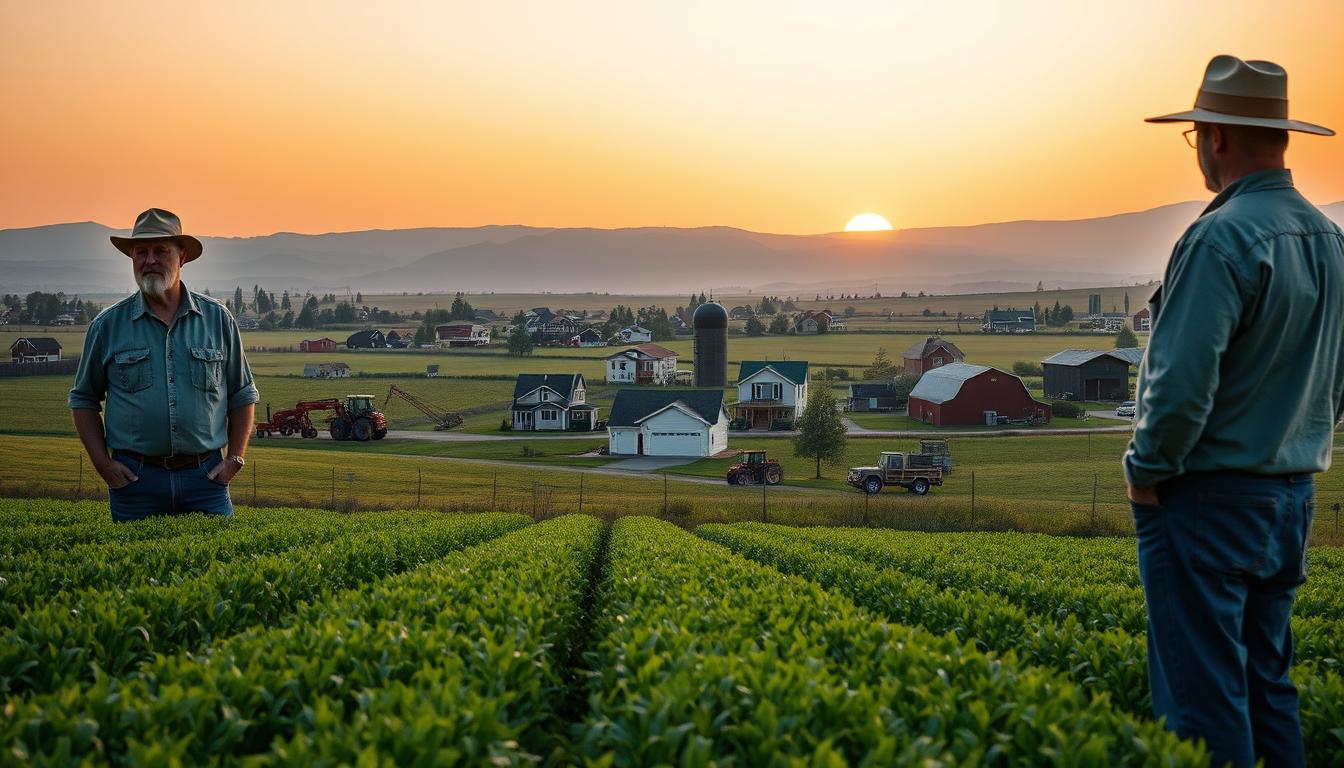
The conversion of agricultural land to housing development has become a pressing issue in Deschutes County, sparking concerns among local residents and authorities. As the demand for housing continues to grow, the pressure on the county’s agricultural land intensifies.
Historically, agriculture has played a significant role in the region, with many farms and ranches operating in the area. However, the increasing demand for housing has led to a surge in farmland conversion, raising concerns about the long-term impact on the local ecosystem and economy.
As the situation continues to unfold, it is essential to examine the current state of farmland in Deschutes County and the concerns surrounding its conversion to housing.
Key Takeaways
- The demand for housing is putting pressure on Deschutes County’s agricultural land.
- Farmland conversion is a growing concern among local residents and authorities.
- Agriculture has historically played a significant role in the region.
- The long-term impact of farmland conversion on the local ecosystem and economy is a concern.
- The situation requires careful examination and consideration.
The Current State of Farmland in Deschutes County
The agricultural landscape in Deschutes County is facing a critical juncture as farmland conversion accelerates. Deschutes County’s agricultural sector is characterized by a diverse range of farming operations, with fertile soil and a favorable climate making it an ideal location for growing various crops.
Agricultural Land Statistics
Understanding the current state of farmland in Deschutes County requires examining the existing agricultural land statistics. Key indicators include the acreage under cultivation and the types of agricultural operations prevalent in the area.
Acreage Under Cultivation
As of the latest available data, Deschutes County has approximately 43,000 acres of farmland under cultivation. This represents a significant portion of the county’s agricultural land, with crops such as hay, grain, and vegetables being major contributors.
Types of Agricultural Operations
The county is home to a variety of agricultural operations, including:
- Dryland farming
- Irrigated farming
- Livestock grazing
- Small-scale organic farming
Recent Changes in Land Use Patterns
Recent years have seen significant changes in land use patterns in Deschutes County, driven primarily by housing development pressures.
Conversion Rates Since 2010
Since 2010, Deschutes County has lost approximately 10% of its farmland to development. This trend is expected to continue unless measures are taken to preserve agricultural land.
Geographic Distribution of Changes
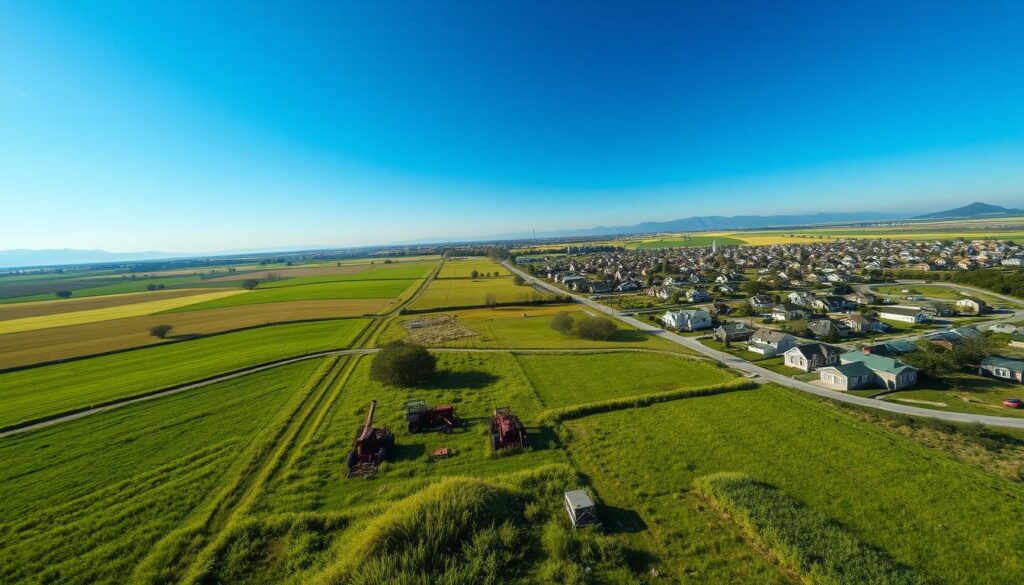
The conversion of farmland is not uniform across the county. Areas surrounding urban centers like Bend are experiencing higher rates of conversion, as illustrated in
The data highlights the need for sustainable land use planning to balance housing needs with agricultural preservation.
Historical Context of Agriculture in Central Oregon
The story of farming in Deschutes County is one of adaptation and perseverance in the face of changing market demands and environmental challenges. Agriculture has been a vital part of the region’s economy and identity for decades.
Evolution of Farming
The evolution of farming in Deschutes County has been shaped by various factors, including technological advancements and shifting market trends. Early farming practices were largely influenced by the region’s climate and soil conditions.
As the industry progressed, so did the techniques and tools used by farmers. The introduction of irrigation systems, for example, significantly improved crop yields and expanded the range of crops that could be grown in the area.
Previous Land Use Controversies
Deschutes County has experienced its share of land use controversies, often centered around the conversion of agricultural land for other uses. These debates have highlighted the tension between economic development and preserving agricultural heritage.
Landmark Decisions
Several landmark decisions have shaped the agricultural landscape of Central Oregon. For instance, the establishment of the Deschutes County Comprehensive Plan has played a crucial role in guiding land use policies.
“The balance between preserving agricultural land and accommodating growth is a delicate one, requiring careful planning and community engagement.”
Policy Shifts Over Time
Over the years, there have been significant policy shifts affecting agricultural land use in Deschutes County. These changes have been driven by both local and state-level initiatives.
| Year | Policy Change | Impact on Agriculture |
|---|---|---|
| 1990 | Introduction of the Oregon Land Use Planning Act | Established a framework for managing land use, including agricultural lands |
| 2005 | Deschutes County Comprehensive Plan Update | Refined policies to balance growth with agricultural preservation |
| 2015 | Adoption of the Central Oregon Agricultural Ongoing Plan | Focused on preserving agricultural lands and promoting local food systems |
The historical context of agriculture in Central Oregon is complex, with various factors influencing the industry’s development. Understanding this history is crucial for addressing current challenges and shaping the future of farming in the region.
Housing Development Pressure in Central Oregon
Central Oregon is experiencing a significant surge in housing development pressure due to its rapid population growth. This growth has transformed the region’s landscape, bringing both opportunities and challenges.
Population Growth Trends
The population of Central Oregon has been growing steadily, driven by its natural beauty, outdoor recreational opportunities, and a thriving economy. This growth is characterized by:
- Increasing migration to the area
- Shifts in demographic profiles
- Expanding urban and suburban areas
Migration Patterns
People are moving to Central Oregon from various parts of the country, attracted by its high quality of life. This migration is influenced by factors such as:
- Job opportunities in tech and healthcare
- Retirement and lifestyle changes
- Desire for a more relaxed pace of life
Demographic Changes
The influx of new residents is altering the demographic makeup of Central Oregon. Key changes include:
- An aging population
- Increasing diversity
- Shifts in household composition
Housing Market Analysis
The housing market in Central Oregon is under significant pressure, leading to an affordability crisis and supply-demand imbalance.
Affordability Crisis
The rapid appreciation of housing prices has outpaced income growth, making it difficult for many residents to afford homes. This crisis affects:
- First-time homebuyers
- Low- and moderate-income families
- Renters facing rising housing costs
Supply-Demand Imbalance
The demand for housing far exceeds the available supply, driving up prices and rents. This imbalance is fueled by:
- Limited new construction
- Increasing demand from new residents
- Speculative buying
Key Factors Driving Farmland Conversion
Farmland conversion in Deschutes County is influenced by a variety of economic and regulatory elements. Understanding these factors is crucial for addressing the concerns surrounding the loss of agricultural land.
Economic Incentives for Landowners
Landowners in Deschutes County face significant economic incentives when deciding to convert their farmland. Two primary factors are at play here:
- Property Value Disparities: The value of land for development purposes far exceeds its value for agricultural use, making it financially attractive for landowners to sell their land for housing or commercial projects.
- Agricultural Profitability Challenges: The profitability of farming in Deschutes County has been challenged by factors such as fluctuating crop prices, increased input costs, and water management issues, making it less viable for landowners to continue farming.
Regulatory Framework Changes
Changes in the regulatory framework have also played a significant role in farmland conversion. Key aspects include:
- Zoning Modifications: Adjustments to zoning laws have allowed for more intensive development on previously agricultural land, facilitating the conversion process.
- Urban Growth Boundary Adjustments: Expansions of urban growth boundaries have brought more land under the umbrella of potential development, often at the expense of agricultural areas.
The interplay of these economic and regulatory factors has created a complex environment where farmland conversion is often seen as the most lucrative option for landowners. Addressing the concerns around farmland loss will require a nuanced approach that balances economic needs with the preservation of agricultural land.
Deschutes County Farmland Housing Conversion Concerns: A Deeper Look
Farmland conversion in Deschutes County is a complex issue that involves various stakeholders and interests. As the county continues to grow and develop, the pressure to convert agricultural land into housing and other development projects intensifies.
Community Opposition Movements
The local community has not been silent on the issue of farmland conversion. Community opposition has manifested in various forms, including grassroots organizations and public demonstration events.
Grassroots Organizations
Groups such as the Deschutes County Farm Bureau have been actively working to raise awareness about the importance of preserving agricultural land. These organizations often collaborate with local farmers and landowners to promote agricultural preservation.
Public Demonstration Events
Public demonstrations and town hall meetings have become common as community members voice their concerns about the loss of farmland. These events provide a platform for discussing potential solutions and mobilizing community support.
Agricultural Preservation Advocates
In addition to community opposition, there are various advocates for agricultural preservation. These include conservation groups and industry associations that work to protect and promote the agricultural heritage of Deschutes County.
Conservation Groups
Organizations like the Deschutes River Conservancy work to protect the county’s natural resources, including its agricultural lands. They often partner with government agencies and local landowners to achieve their conservation goals.
Industry Associations
Industry associations, such as those representing farmers and ranchers, play a crucial role in advocating for policies that support agricultural preservation. They work closely with county officials to ensure that the needs of the agricultural community are considered in land-use decisions.
The debate over farmland conversion in Deschutes County highlights the need for a balanced approach that considers both the demand for housing and the importance of preserving agricultural land. By understanding the concerns of various stakeholders, including community opposition movements and agricultural preservation advocates, the county can work towards solutions that benefit all parties involved.
Environmental Impacts of Agricultural Land Loss
Deschutes County’s agricultural land loss is leading to various environmental concerns, including habitat fragmentation and water resource depletion. The conversion of farmland into housing developments and other uses is altering the landscape in ways that have significant ecological consequences.
Habitat Fragmentation
Habitat fragmentation occurs when large areas of habitat are broken into smaller pieces, isolating wildlife populations and disrupting ecosystem processes. In Deschutes County, this is particularly concerning due to the impact on native species.
Wildlife Corridor Disruption
The fragmentation of habitats disrupts wildlife corridors, which are essential for the migration and survival of many species. This disruption can lead to population decline and even local extinctions.
Native Species Concerns
Native species in Deschutes County, such as the Greater Sage-Grouse, are particularly vulnerable to habitat fragmentation. Conservation efforts are necessary to protect these species and their habitats.
Water Resource Implications
The loss of agricultural land also has significant implications for water resources in Deschutes County. Changes in land use can affect groundwater recharge and irrigation rights.
Irrigation Rights Conflicts
As land use changes, conflicts over irrigation rights may arise. These conflicts can have significant implications for both agricultural producers and other water users.
Groundwater Management Challenges
Effective groundwater management is crucial in Deschutes County, where groundwater is a vital resource for both agriculture and domestic use. The conversion of farmland can complicate these management efforts.
| Environmental Impact | Description | Consequences |
|---|---|---|
| Habitat Fragmentation | Breaking of large habitats into smaller pieces | Isolation of wildlife populations, ecosystem disruption |
| Water Resource Depletion | Changes in land use affecting groundwater recharge | Conflicts over irrigation rights, groundwater management challenges |
Economic Consequences of Farmland Reduction
The reduction of farmland in Deschutes County has far-reaching economic consequences that affect various aspects of the local economy. As agricultural land is converted into housing developments and other non-agricultural uses, the economic impacts are felt throughout the community.
Agricultural Industry Effects
The decline of farmland directly affects the agricultural industry, leading to significant economic consequences. Job losses are a major concern as farms reduce operations or cease to exist.
Job Losses and Economic Multipliers
The loss of agricultural jobs not only affects those directly employed in farming but also has a ripple effect on the local economy through economic multipliers. As agricultural employment decreases, related businesses that support farming operations also suffer.
Support Business Impacts
Businesses that provide goods and services to farmers, such as equipment suppliers and agricultural consultants, are impacted by the decline in farmland. This can lead to a loss of local businesses and further economic instability.
Local Food Security Issues
The reduction of farmland also raises concerns about local food security. As the local food production capacity diminishes, the community becomes more reliant on external food sources.
Farm-to-Table Movement Setbacks
The decline of local agriculture can set back the farm-to-table movement, which relies on locally sourced produce to supply restaurants and consumers. This movement is an important part of Deschutes County’s food culture and economy.
Regional Self-Sufficiency Concerns
As farmland is lost, the region’s ability to be self-sufficient in food production is compromised. This can lead to increased reliance on external food systems, potentially affecting food availability and prices.
Regional Hotspots of Conversion Controversy
The conversion of farmland to housing in Deschutes County is not uniform, with certain areas facing more intense development pressure. As the county continues to grow, specific regions have become focal points for the controversy surrounding farmland conversion.
Tumalo Agricultural District
The Tumalo Agricultural District has been at the center of the debate due to its rich agricultural heritage and prime location near Bend. Residents and farmers alike are concerned about the impact of housing developments on the district’s agricultural productivity and rural character.
Sisters Area Farmlands
The Sisters Area Farmlands are another region experiencing significant development pressure. The area’s scenic beauty and proximity to popular tourist destinations make it an attractive location for housing developments.
Redmond Periphery Development
The Redmond periphery is witnessing rapid expansion, with farmland being converted into housing developments and commercial projects. This has raised concerns about the loss of agricultural land and the impact on local ecosystems.
Bend Expansion Zones
The Bend Expansion Zones are also experiencing significant growth, with farmland being converted into housing developments and urban infrastructure. As one local resident noted,
“The rapid development is changing the character of our community, and we need to find a balance between growth and preservation.”
Legal Battles Over Land Use Decisions
The conversion of farmland to housing in Deschutes County has sparked intense legal battles over land use decisions. These disputes reflect the complex interplay between development pressures, agricultural preservation, and regulatory frameworks.
Notable Court Cases
Several court cases have highlighted the legal challenges surrounding farmland conversion. Precedent-setting rulings have shaped the landscape of land use in Deschutes County.
Precedent-Setting Rulings
Cases like the Tumalo Irrigation District vs. Deschutes County have established important legal precedents regarding water rights and land use. Such rulings have significant implications for future farmland conversions.
Ongoing Litigation
Ongoing cases, such as disputes over the Sisters Area Farmlands development, continue to test the boundaries of land use regulations. These legal battles underscore the contentious nature of farmland conversion.
Land Use Board of Appeals Rulings
The Land Use Board of Appeals (LUBA) plays a crucial role in adjudicating land use disputes in Oregon. Recent decisions by LUBA have had a direct impact on farmland conversion in Deschutes County.
Recent Decisions
LUBA’s rulings on cases involving the Redmond Periphery Development and Bend Expansion Zones have clarified the application of land use regulations. These decisions have helped to shape the legal landscape.
Implementation Challenges
Despite clear rulings, implementing LUBA’s decisions can be challenging. Local governments and developers often face difficulties in complying with the complex regulatory requirements.

The legal battles over land use decisions in Deschutes County reflect the broader tensions between development and preservation. As the county continues to grow, these disputes are likely to persist, shaping the future of farmland in the region.
County Officials’ Response to the Controversy
In response to growing concerns about farmland conversion, Deschutes County officials have taken several steps to address the issue. The county is experiencing significant development pressure, and officials are working to balance the need for housing with the preservation of agricultural land.
Policy Statements and Actions
County officials have made several key policy statements regarding farmland conversion. These include:
- Reaffirming the importance of preserving agricultural land for the local economy and food security.
- Committing to explore alternative development models that minimize the impact on farmland.
County Commission Positions
The County Commission has taken a proactive stance, with commissioners expressing their commitment to preserving farmland. They have:
- Supported initiatives to promote sustainable agricultural practices.
- Advocated for stricter regulations on farmland conversion.
Planning Department Initiatives
The Planning Department is working on several initiatives, including:
- Updating the county’s comprehensive plan to address farmland preservation.
- Developing new zoning regulations to protect agricultural areas.
Public Hearings and Community Engagement
Public hearings have been held to gather community input on the issue. These hearings have provided a platform for citizens to express their concerns and suggestions.
Citizen Testimony Highlights
Citizen testimony has highlighted the need for a balanced approach that considers both the need for housing and the importance of preserving farmland. Key concerns include:
- The impact of farmland loss on local food security.
- The need for more transparent and inclusive decision-making processes.
Stakeholder Working Groups
Stakeholder working groups have been established to bring together representatives from various interests, including agriculture, development, and environmental conservation. These groups are working to identify potential solutions that can be supported by the broader community.
Potential Compromise Solutions
As Deschutes County faces growing housing demands, exploring compromise solutions is essential to balance development with farmland preservation. The key lies in finding innovative approaches that satisfy both needs.
Cluster Development Models
Cluster development models offer a promising solution by concentrating housing in specific areas, thereby preserving larger tracts of farmland. Within this model, there are two notable concepts:
Conservation Subdivisions
Conservation subdivisions prioritize the preservation of natural habitats and farmland by clustering homes in designated areas, leaving the remaining land undeveloped.
Agrihood Concepts
Agrihoods integrate agricultural activities into residential developments, fostering a community that values farming and open spaces.
Agricultural Land Preservation Programs
Programs aimed at preserving agricultural land are crucial in maintaining the county’s farming heritage. Two effective strategies include:
Conservation Easements
Conservation easements involve landowners voluntarily restricting the development of their land in exchange for financial incentives or tax benefits.
Tax Incentive Structures
Tax incentive structures can encourage landowners to maintain their land for agricultural use by offering reduced tax rates.
Transfer of Development Rights
The transfer of development rights (TDR) is a program that allows landowners to sell their development rights to developers, who then use these rights to build in designated areas.
Implementation Framework
Implementing TDR programs requires a clear framework that identifies sending and receiving areas, ensuring that the program is fair and effective.
Success Stories from Other Regions
Regions like Montgomery County, Maryland, have successfully implemented TDR programs, preserving thousands of acres of farmland.
| Strategy | Description | Benefits |
|---|---|---|
| Cluster Development | Concentrates housing in specific areas | Preserves larger tracts of farmland |
| Conservation Easements | Restricts land development voluntarily | Financial incentives for landowners |
| Transfer of Development Rights | Allows landowners to sell development rights | Preserves farmland, promotes development in designated areas |
Conclusion: The Future of Deschutes County’s Agricultural Landscape
The future of Deschutes County’s agricultural landscape is at a critical juncture. As the county continues to experience rapid growth and development, the pressure to convert farmland into housing and commercial projects intensifies. The concerns highlighted in this article underscore the need for a balanced approach that reconciles the demands of a growing population with the preservation of the county’s rich agricultural heritage.
A key takeaway from the discussions around farmland conversion is the importance of exploring compromise solutions. Strategies such as cluster development models, agricultural land preservation programs, and the transfer of development rights offer potential pathways to mitigate the impacts of development on farmland. These approaches can help maintain the integrity of the agricultural landscape while accommodating growth.
The Deschutes County officials’ response to the controversy, including policy statements and public hearings, indicates a willingness to engage with the community on this issue. As the county moves forward, it is crucial that stakeholders continue to work together to find solutions that preserve the county’s agricultural identity for future generations.