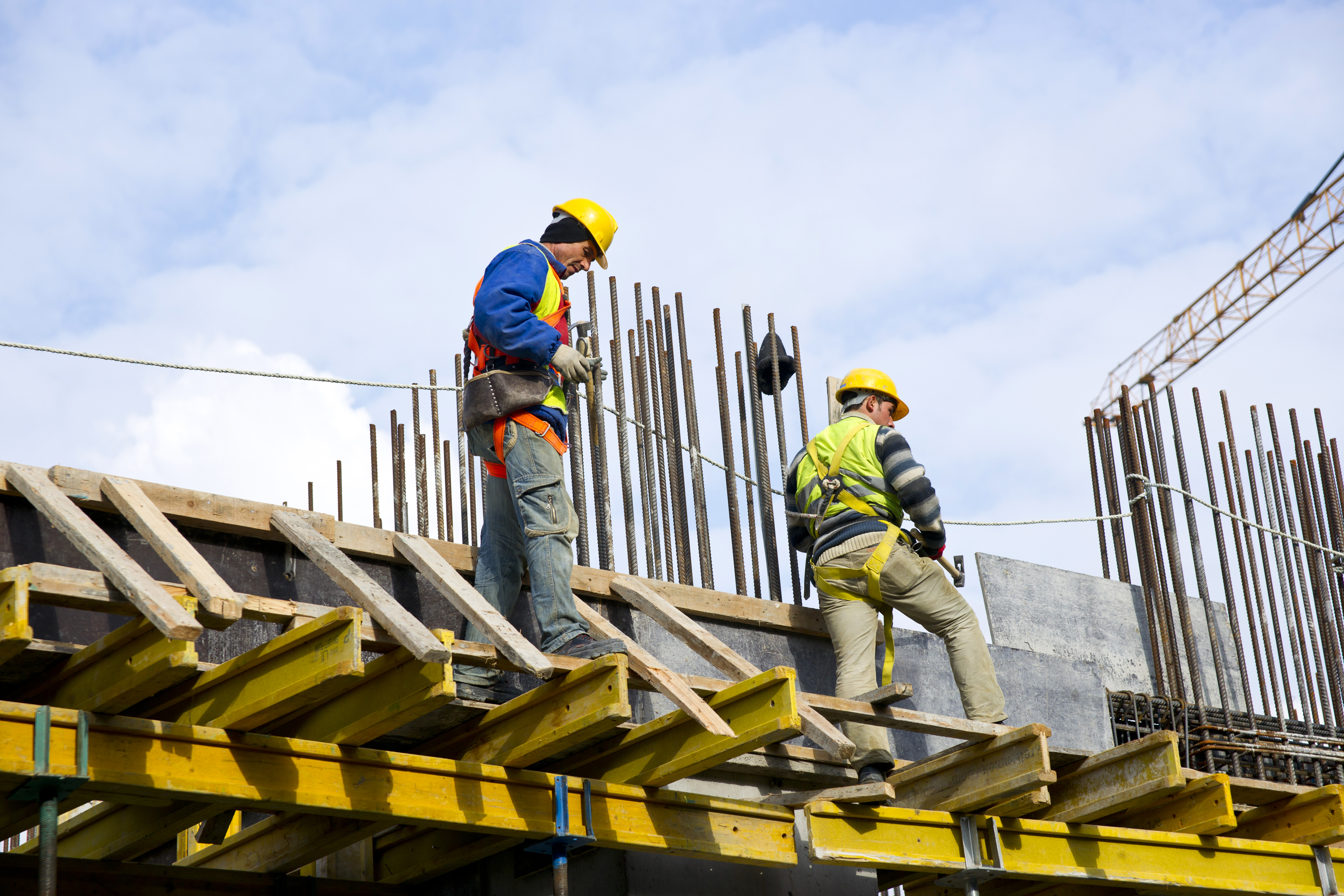
Your skills can take you around the world, but only if you are equipped with the right information to target a country that is in desperate need of your skills. Why rely on your locals alone to patronize your services when you can actually work less and earn more in a greener pasture? Today, I will share with you about the Netherlands and the huge demand for construction workers. Are you a skilled worker who is willing to travel abroad to work? This is for you!
The Netherlands is building its future, and it needs skills like yours to do it. With a rapid increase in construction, the Netherlands continues to suffer a shortage of workers to fill the gap. This shortage has made the demand for foreign workers rise rapidly. For skilled tradespeople and construction professionals around the world, this translates to a golden opportunity: a chance to build a high-income career in a country consistently ranked as one of the happiest and most livable on earth.
With competitive salaries, robust labor laws, and a clear pathway to permanent residency, the Dutch construction sector is actively recruiting international talent. If you are a bricklayer, electrician, welder, plumber, or project manager looking for your next big adventure, this guide is your blueprint for success. We will walk you through the opportunities, the salaries, the visa processes, and exactly how to land a job with visa sponsorship in the Netherlands. Fasten your seatbelt, let us dive right into it.
Why work in the Netherlands?
There are hundreds of reason to live in a country that is ranked at the top 5 of the happiest nation in the world. Think about that for a second. In fact, as a construction worker, choosing the Netherlands isn’t just about a change of scenery; it’s a strategic career move that will transform your life forever. The country offers a unique combination of economic stability and personal well-being that is hard to match elsewhere. Amongst the reasons why you probably should consider working in the Netherlands:
-
A Booming Market with a Labor Shortage
The Dutch economy is stable and thriving in high pace, which is not so surprising as the Nation is geographically nestled at the logistical gateway to Europe. So this role drives massive investment in infrastructure, logistics hubs, residential projects, and commercial real estate. The demand for labor far higher than the local supply, meaning that skilled foreign workers are not just welcome; they are essential to the rising economy of the Netherlands. As a worker, this labor shortage gives you significant leverage and makes employers more willing to go through the visa sponsorship process to get the right one for the job.
-
Work-Life Balance and Worker Protections
The Netherlands is famous for its emphasis on a healthy work-life balance. Moreover, working in such a happy country must reflect on your work-life. This isn’t just a cultural perk; it’s built into the law. Dutch labor contracts offer strong protections, generous vacation days, plus a collaborative and respectful work environment. Construction sites here prioritize safety and efficiency, but they also respect personal time, meaning you can expect predictable schedules and time to enjoy the famous Dutch gezelligheid (coziness) with your friends and family.
-
A True International Welcome
You don’t need to be fluent in Dutch to start. While learning the language will certainly boost your career and help you integrate better, English is widely spoken, especially in the workplace. With thousands of companies registered as recognized sponsors with the Dutch immigration service (IND), the infrastructure to welcome and support international employees is well-established.
With the high demand for workers, protection of their rights, and the provision of conducive working environment. Netherlands remains one of the most popular destination for construction workers. Overall, the lucrative salary is another interesting part we will explore in a bit.
See also: High-Paying UK Construction Jobs for Foreign Workers With Visa Sponsorship in 2025
Construction Salaries in Netherlands in 2026
One of the biggest interest for international construction workers is of course the compensation. Dutch wages are highly competitive, and when you think about the comprehensive benefits, you will understand that the total package is compelling.
Average Salary Overview
The average gross salary for a general construction worker in the Netherlands is approximately €47,834 per year. However, this figure depends significantly on the experience you have, the area of construction you specialize on, and location you work. For instance, a construction worker in Amsterdam can expect to earn significantly more, with an average of €56,202, due to the higher cost of living in the capital.
Here’s a breakdown of what you can expect based on experience:
- Entry-level (1-3 years): Around €35,600 per year .
- Mid-career (4-9 years): Salaries typically range from €45,000 to €55,000.
- Senior (10+ years): Experienced professionals can earn upwards of €58,000, with specialists and managers earning significantly more .
Specialized Trade Salaries
Your specific skill set is your biggest asset. Here’s what high-demand roles are currently paying:
- Electricians: €48,000 – €65,000
- Welders: €46,000 – €62,000
- Plumbers: €44,000 – €58,000
- Carpenters: €42,000 – €58,000
- Bricklayers: €40,000 – €55,000
- Construction Managers: €55,000 – €85,000+
You must equally understand that there are other potential benefits you’ll enjoy beyond these salaries. Let us go into that for a moment
Benefits Beyond the Base Salary: The Real Value
Your base salary is just the starting point. Dutch labor law and collective labor agreements (CAOs) in the construction sector guarantee many other additional benefits that can boost your total income by 20% or more.
- Holiday Allowance (Vakantiegeld):By law, you are entitled to a holiday allowance of 8.33% of your gross salary, which is paid out annually, typically in May. This is essentially a 13th-month bonus.
- Paid Leave: The minimum is 20 days per year, but most construction contracts offer 25 days of paid vacation, plus additional ADV days that can add up to 20 extra days off.
- Pension: Both you and your employer contribute to a mandatory pension fund (like BpfBOUW), ensuring you save up for retirement .
- Practical Perks: Many employers provide company vehicles, fuel cards, high-quality work clothing, and safety equipment (like tools from Hilti) at no cost to you.
- Performance Bonuses: In management and specialized roles, performance-based bonuses of 5-10% are common.
With these provisions some construction jobs in the Netherland can sponsor your relocation, so the only barrier between you and your travel abroad dreams is your preparedness to grab the opportunity.
High-Demand Construction Jobs with Visa Sponsorship
Just like I have explained earlier, the Dutch construction sector needs talent across the board. Whether you are a master of a specific trade or a general laborer looking to start your career, there are opportunities available. The interesting part? Employers on these skills can sponsor your travel from your home country depending on the terms of job agreements.
Skilled Trades: The Backbone of Construction
These are the roles in highest demand, with employers most likely to offer visa sponsorship to secure the talent they need.
- Bricklayers and Masons: Essential for the charming residential projects and robust commercial builds. Precision and speed are highly valued.
- Carpenters (Ruwbouw en Afbouw): From structural framing to fine finishing, carpenters are needed for new builds and the massive renovation market.
- Electricians (Elektriciens): With the push for sustainable energy and smart homes, electricians are more critical than ever. A recent job posting for a roofer, for example, highlights the collaborative nature of sites where electricians are key partners.
- Plumbers (Loodgieters): The Dutch are masters of water management, and skilled plumbers are needed for complex systems in new developments and infrastructure projects.
- Welders (Lassers): Critical for industrial construction, steel frameworks, and the multitude of bridges and infrastructure projects.
- Concrete Carpenters (Betonbouwers): Specialists in formwork and concrete work, these professionals are the foundation of the Netherlands’ extensive infrastructure development.
Entry-Level and Unskilled Construction Roles
Don’t have a specialized trade yet? No problem. There is a strong demand for general construction workers and laborers.
- General Construction Worker: You’ll handle site preparation, material movement, operating machinery, and assisting skilled tradespeople. It’s a fantastic way to get your foot in the door. Many companies offer on-the-job training and pathways to specialize.
- Construction Support: Roles like scaffolders’ assistants, demolition workers, and site cleaners are vital to every project.
Now that you have gotten a better picture of who is needed, the roles expected, and the values that are attached: how do you prepare to grab this opportunity by the horns?
This is the question I will answer in the next section. You will understand the channels and steps that will make your Netherlands job application stand out.
See also: Opportunity to Get Paid $42,000 to Relocate to the USA via the Construction Visa Program
Your Roadmap to Legal Employment: Dutch Visas Explained
Going through the immigration can be a daunting process, but the Netherlands has designed clear pathways for both skilled and unskilled workers. The key is having an employer who is a “recognized sponsor.”
The Highly Skilled Migrant (HSM) Visa
This is the most common and efficient route for qualified construction professionals. It is designed to streamline the process for companies to bring in talent from outside the European Union.
- How it works: You get a job offer from a Dutch company recognized by the IND as a sponsor. The company handles most of the application process while you supply the required documents. However, there are some requirements before a worker can qualify for a visa sponsorship:
- 30 years or older: Minimum gross monthly salary of at least €5,008.
- Under 30 years: Minimum gross monthly salary of at least €3,672.
Some of the advantages is that with visa sponsorship the visa application process goes faster (often 2-4 weeks). Also, you can bring your family (who get work permits too), and it provides a direct path to permanent residency after five years.
EU Blue Card
The Blue Card is an excellent option if you are a highly qualified professional, it offering the added benefit of free movement within the European Union.
- Requirements: A higher education degree (or 5+ years of professional experience) and a job offer for at least one year with a gross monthly salary of at least €5,867.
- Advantages: Easier to move to another EU country for work in the future.
The GVVA (Single Permit)
For roles that may not meet the strict salary thresholds of the HSM visa, the GVVA (Gecombineerde Vergunning Verblijf en Arbeid) is the standard combined work and residence permit.
- How it works: Your employer must first prove they couldn’t find a suitable candidate in the Netherlands or the EU. This is called a “labor market test” .
- Processing: Takes about 6-12 weeks. While slower than the HSM route, it is a viable option for many mid-level construction roles.
- The TWV (Tewerkstellingsvergunning): This is the specific work permit component. For unskilled or general work positions, this is the most widely used permit, allowing non-EU nationals to work in positions not classified as highly skilled.
As someone who has guided both skilled and unskilled workers seeking international job opportunities, I am familiar with some questions and how do I find a job? Is one of the most frequently asked. This I will address in the following section
How to Find a Construction Job with Visa Sponsorship
Knowing the roles you’re best fit for and visas type required is half the battle. Now comes the action: finding the right employer.
1. Specialized Job Portals
Don’t just browse any site; target your search.
- Indeed.nl: Use specific keywords like “visumsponsoring,” “werkvergunning,” or “international candidates” in your search. The Dutch Indeed platform is a primary resource for job seekers .
- Undutchables.nl: This agency specializes in placing international professionals in the Netherlands, making them a perfect resource for finding expat-friendly construction firms.
- IamExpat.nl: A comprehensive platform for expats, featuring a job board with many positions open to international applicants.
- Werk.nl: The official government job bank. While mostly in Dutch, it’s worth checking for listings from major contractors.
2. Recruitment Agencies: Your Best Ally
Recruitment agencies are incredibly effective, as they act as a bridge between you and employers, handling many of the initial hurdles. Agencies like DB Work specialize in placing international workers and help with everything from your CV to accommodation and health insurance . Others, such as Haldu Groep, Blue Lynx, and Hays Netherlands, have dedicated construction divisions that work exclusively with recognized sponsors.
3. Go Direct: Target Major Companies
Research the biggest players in the Dutch market. Companies like BAM, Heijmans, VolkerWessels, and Dura Vermeer are industry giants with the resources and experience to handle international recruitment. Visit their careers pages and look for sections on “international” or “working at.”
4. Network Like a Pro
LinkedIn is a powerful tool. Connect with recruiters from Dutch construction companies and join groups related to the Dutch construction industry. A well-crafted profile highlighting your willingness to relocate can lead to recruiters finding you.
Now that you have understood the best channels to structure your job search, you must equally need to understand how to structure your application when you find a job offer. Many people loose offers they qualify for simply because they fail to position their application strategically. In the next section, you will find out what you need to know before starting your application.
See also: How to Get a $50,000 Job in Toronto: Visa Sponsorship Opportunities
Crafting the Perfect Application: Your CV and Cover Letter
In the Dutch job market, your CV is your first and most important impression. It needs to be clear, concise, and tailored to the role .
What a Dutch Employer Wants to See in Your CV
- Clarity and Structure: Avoid fancy graphics. Use a clean, reverse-chronological format by starting from your most recent jobs. Make it easy for a recruiter to scan your experience in 30 seconds .
- Chronological Experience: List your jobs with clear start and end dates, your specific role, and the company name.
- Detailed Responsibilities: Don’t just say “carpenter.” Say “framed residential structures, installed custom cabinetry, and interpreted blueprints for new build projects.” Quantify your achievements where possible (e.g., “Managed a team of 5 on a €2M project”).
- Certifications Stand Out: List all your relevant certifications. If you have a VCA certificate (the Dutch safety certification), put it at the top . If you don’t have it, express your willingness to obtain it.
- Language Skills: Be honest about your English proficiency. If you’re learning Dutch, mention it—this shows commitment to integration .
Cover Letter Tips
Your cover letter should explain the “why.” Why the Netherlands? Why this company? And crucially, why should they hire you from abroad? Highlight your unique experience, your reliability, and your commitment to relocating long-term.
When you have confidently submitted your application prepare your other documents for visa application. Make further research about how it feels living in the Netherlands.
Life in the Netherlands: What to Expect
Landing the job is just the beginning. Here’s a quick preview of daily life.
Accommodation
Many employers offering visa sponsorship will provide or arrange housing for your first few months. This is a massive help. It’s often shared with other international workers, which is a great way to build a social circle from day one. Once settled, you can look for your own place. Be aware that the rental market in major cities like Amsterdam is competitive and expensive; many workers choose to live in smaller towns with lower costs and excellent transport links.
Integration and Language
While you can work in English, making an effort to learn Dutch will transform your work experience. It opens you up to more social opportunities, helps with daily errands, and is a key factor in your long-term career growth and path to permanent residency . Most employers offer subsidies for language courses.
Healthcare
Health insurance is mandatory. You will need to purchase your own policy, which costs around €100-€150 per month. The Dutch healthcare system is excellent, with English-speaking providers widely available. Some employers offer a small stipend or guidance to help you choose the right plan .
Your Future: Pathway to Permanent Residency
Working in the Netherlands on a valid permit puts you on a direct path to permanent residency. After five years of continuous, legal residence, you can apply for a permanent residence permit. This grants you full rights to work, live, and access social benefits indefinitely. After ten years, you may be eligible to apply for Dutch citizenship.
See also: Germany’s Opportunity Card for Non-EU Skilled Workers
Take the First Step Today!
The Dutch construction industry is not just offering jobs; it’s offering careers, stability, and a future in one of the world’s most desirable countries. With a clear understanding of the market, the visas, and the application process, you are now equipped to take the next step.
Polish your CV, start your research on Indeed.nl and recruitment agency websites, and target the companies that need your skills . The foundation for your new life in the Netherlands is ready—now it’s time to start building.